
Siedlisko Sztuki — Artisan Homestead in the Artists’ Colony (4 Rooms)
“A character-filled 200-year-old homestead in the creative haven of Kopaniec.”
Quality Score
About this place
Kopaniec is renowned across Poland as the legendary artists’ colony of the Izera foothills. Siedlisko Sztuki is a carefully restored 200-year-old timber homestead offering just 4 rooms imbued with artistic spirit, ceramics, and warm wood. Guests can participate in pottery sessions, sourdough bread baking in the outdoor wood-fired oven, or simply read in the garden with panoramic vistas toward the Karkonosze and Izera ranges.
Ask the hosts for the village art studio map — you can visit local stained-glass artists, sculptors, and weavers in their home workshops.
Key Highlights
Info & Direct Booking
Other recommended spots nearby
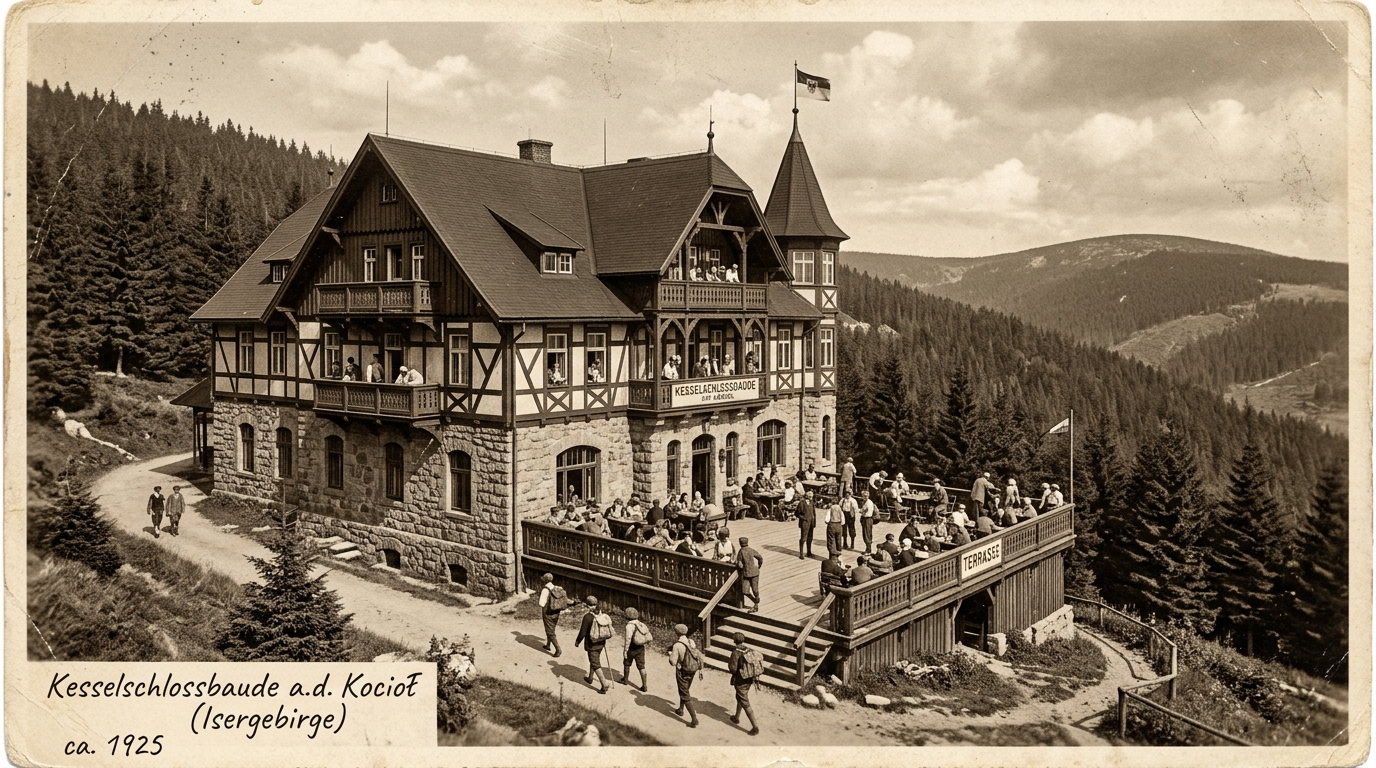
Kesselschlossbaude Ruins & Lovers' Rocks — Kotlina
“Romantic stone ruins of a pre-war luxury mountain resort and panoramic rock tors on Mount Kocioł”
Tucked away in the serene forest on Mount Kocioł (721 m a.s.l.) in the village of Kotlina lie the atmospheric ruins of Kesselschlossbaude. Founded in 1903 by master builder Bruno Rösch, it was celebrated as one of the most elegant mountain resorts in the Sudetes, renowned for its 160 m² larch mosaic ballroom. Nearby stand the Lovers' Rocks (Skałki Zakochanych) offering sweeping vistas and century-old rock engravings.

Zagroda Alpakoterapii — Alpaca Farm & B&B
“Cozy countryside stay with gentle alpacas, 12 minutes from the Czech border”
Nestled in the tranquil foothills of the Izera Mountains in Mirsk, Zagroda Alpakoterapii combines relaxing boutique accommodation with unforgettable alpaca therapy experiences. Perfectly positioned at the geographic center of the cross-border region.
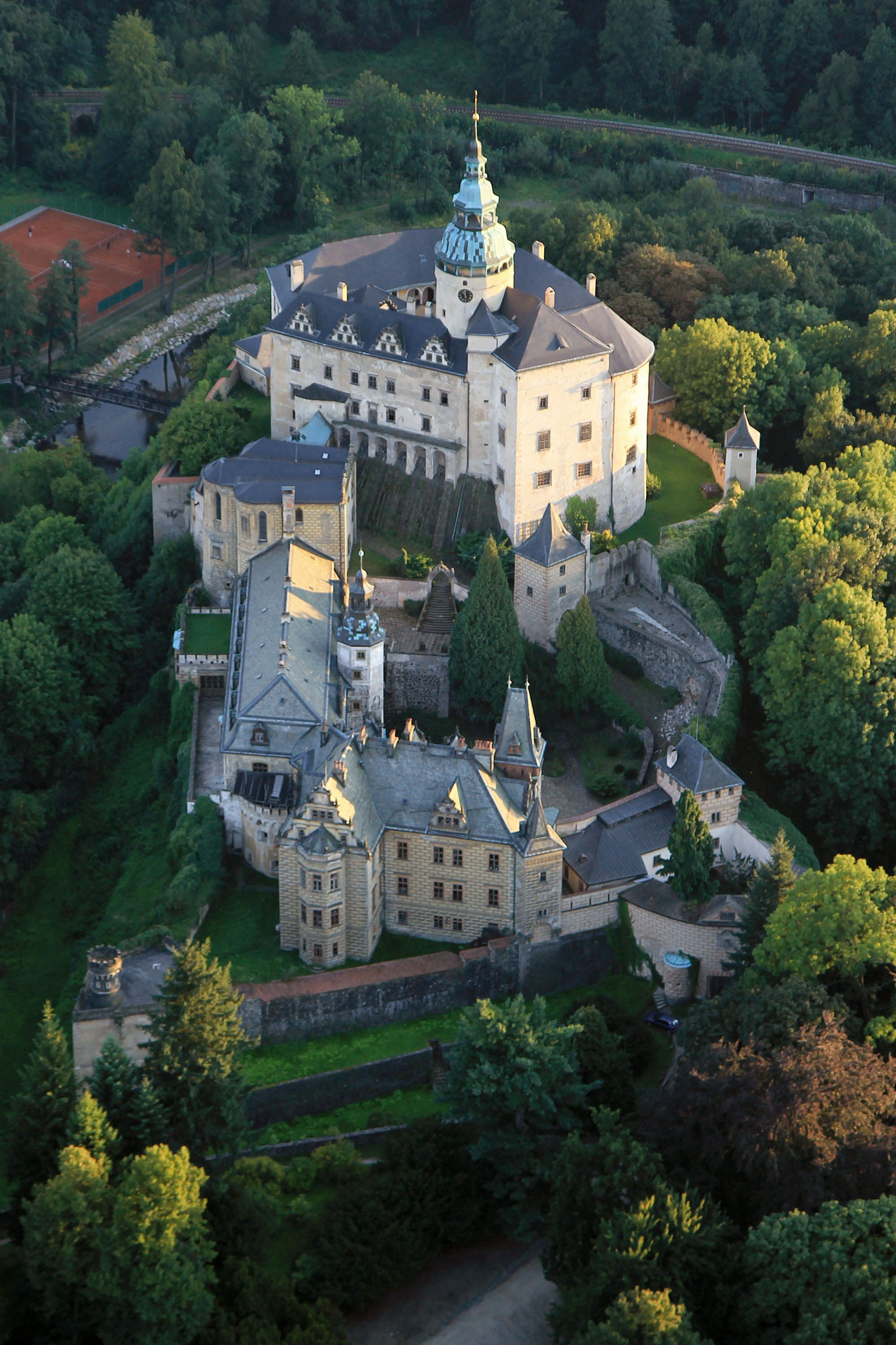
Frýdlant Castle & Chateau
“Magnificent gothic-renaissance stronghold & Central Europe’s oldest castle museum”
Perched upon a massive basalt rock just 18 minutes across the border from Mirsk and Świeradów, Frýdlant Castle is one of the most significant heritage monuments in Central Europe. First opened to tourists in 1801, it features breathtaking armouries, intact noble interiors, and rich Wallenstein history.